

Face of the Month: Plant ecologist crawls in the bushes with a soil corer
Environmental problems were a topical subject in Finland already in the 1980’s. Sari Stark, going to secondary school in Keminmaa, was hooked straight away. Nature and its phenomena sparked her interest, and soon she decided what she would want to do in the future. This decision has held until today.
– Environmental concerns have been important for me
since I was young. During my studies, I chose plant ecology as my field of research.
In my research, I have focused on interactions between organisms in fell or
coniferous forest ecosystems.
Stark worked as a researcher
for years with research scholarships and in temporary projects until she got a
permanent researcher position at the Arctic Centre. She was already familiar with
the place from previous research projects.
Getting a job
was great news, but it brought one positive dilemma. In 2016, she had been granted a
three-year research scholarship from the Kone Foundation. The parties easily reached
mutual understanding.
– We decided that I would continue my
research at the Arctic Centre with the scholarship until the end of September. Then
I will start my tenure here, and serve the remaining scholarship months at a later
point. Fortunately, both parties were OK with the arrangement.
Photo
Maria Paldanius
The roots of the research she is
working on reach for material under the ground and also under the annual strata. The
subject of her research is in fact a sum of coincidences. After studying
environmental issues for all her life Stark wanted a change and started studying
cultural history in Open University. It was supposed to be something different and
exceptional. However, circles closed in unexpected ways.
–
The Kone Foundation favours new, cross-disciplinary openings. I came up with the
idea of combining plant ecology and history, as I had already studied some cultural
history.
The points of view of history and the Arctic soil
brought the questions of how land use has shaped the soil over the centuries, and
how the ecological processes have changed to the front of her research
interests.
The focus is on the circulation of soil carbon and
nitrogen in fell ecosystems, and the factors that regulate the activity of the
decomposer microbes in soil litter and organic matter. The natural processes taking
place today reflect past events in many different ways.
– The
focus of research always depends on the research question. Soil biology is, however,
one of the most important topics for me and I always carry it along. Soil brings
together vegetation, geology and climate.
It is not possible to
study soil only in the office at the Arctic Centre. Much of Stark’s work is
“crawling in the bushes with a soil corer”. The samples she collects she takes to
the research laboratory at the Natural Research Institute Finland in Rovaniemi. The
Arctic Centre has an agreement on the joint use of the lab premises. All cooperation
is invaluable for researchers who mostly toil alone. According to Stark, the Arctic
Centre provides a most collaborative and international work community.
– The work climate here is multidisciplinary. Everyone works on their own
research, and is a member of a larger community at the same time. There are no
cliques. When I came here for the first time, I felt welcome immediately.
Sari
Stark in Raja-Jooseppi using a metallic soil corer to get a sample of the humus
layer. Photo Aarno Niva.
Sari Stark
- Docent in plant ecology
- University researcher and visiting researcher, Global Change research
group - Research subjects: circulation of carbon
and nutrients in the soil in Arctic ecosystems, interactions between the microbes in
vegetation and soil, reflections of past land use on current ecosystems - Motto: “I aim at understanding things more broadly.”
Read more:
Text: Maria Paldanius
Main photo:
Sinikka Aakkonen
More news
All news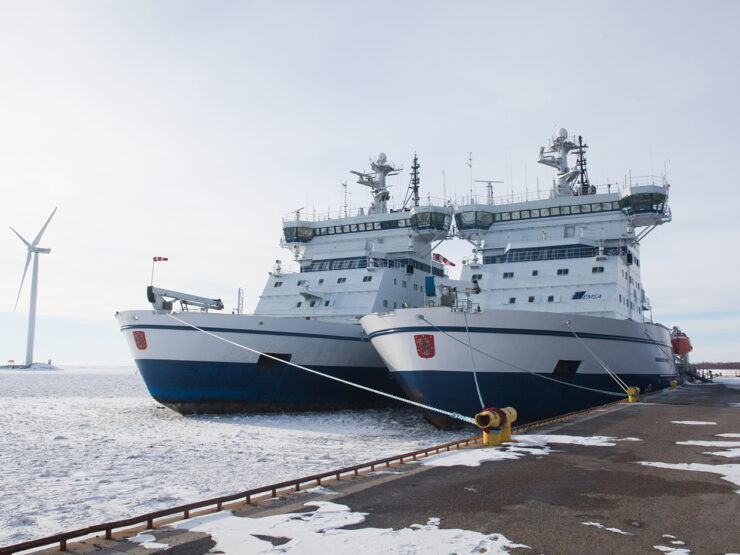
New project to examine the use of AI in shipping
AUTO-MARE project aims to develop framework for environmentally just, transparent, and accountable use of AI in shipping industry.
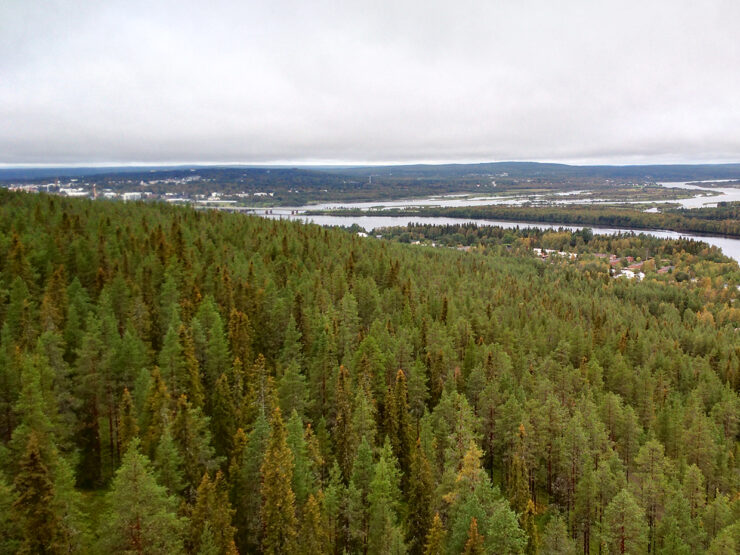
New funding to suport community-based green transition projects in the Arctic
The project aims at supporting fair, transparent, and locally accepted green transition projects in the Arctic region. The…
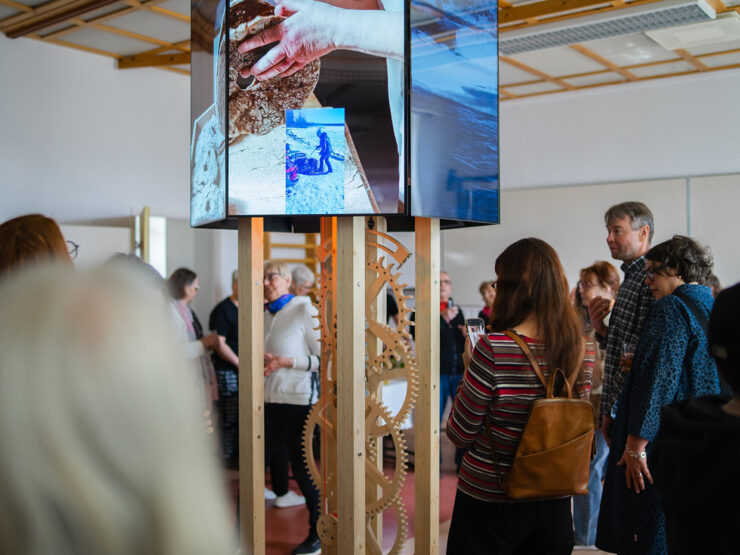
The World’s Most Valuable Clock preserves valuable moments of life
The World’s Most Valuable Clock is an artwork created as part of the Oulu2026 Climate Clock Project. Arctic…