
The RETURN project is a collaboration between eight tourism research institutions and several tourism organizations and environmental NGOs across the NPA region.
The European Union’s Interreg program, The
Northern Periphery and Arctic (NPA), recently funded a project labeled
Regenerative Economic Transfers for Universal Resilience in the North –
RETURN.
The project is funded with €1.6 million
and will run for three years. By focusing on regenerative tourism practices, the
project aims to strengthen community resilience and create sustainable models for
the future of tourism in northern Europe.
Rethinking Tourism for the Future
Tourism has become a key driver of economic development in northern regions,
but its growth brings significant challenges. A critical issue is the disconnect
between tourism revenues and their reinvestment in the destination communities and
ecosystems that attract visitors. Often, maintaining infrastructure, services, and
environmental protection falls to residents, many of whom are not directly involved
in the tourism sector.
“Tourism has incredible potential to
be a long-term livelihood for northern communities,” said Ari
Laakso, science communicator at Arctic Centre, University of Lapland,
and the initiator of the RETURN project. “However, to make this vision a reality, we
need systems that ensure tourism supports local communities and protects the natural
environment. RETURN is about shaping tourism into a sustainable, mutually beneficial
partnership between visitors and host destinations.”
A key
goal of the project is to assist local governments and authorities in creating
transparent, effective mechanisms that allow tourism revenue to fund essential
services, infrastructure, and conservation efforts. This not only ensures that the
benefits of tourism are shared equitably but also fosters a sense of participation
and accountability among tourists.
The RETURN project aims
to pioneer new models of tourism revenue transfers—including different tourism
taxes, visitor contributions, and voluntary payments—to ensure that the financial
benefits of tourism contribute directly to the common good of the host communities.
These models will enable tourists to play an active role in funding the
sustainability and resilience of the destinations they visit. “With RETURN, we’re
not just talking about how to sustain tourism—we’re ensuring it becomes a driver for
positive change in communities and ecosystems,” Laakso added.
The RETURN project consortium brings together leading academic tourism
research institutes across the NPA region. The consortium consists of leading
tourism experts from Iceland, Greenland, the Faroe Islands, Sweden, Norway, Ireland,
Scotland, and Finland.
More
information: RETURN Project Manager Mr. Ari Laakso, ari.laakso@ulapland.fi,
+358(0)40-4844293
Additional material: National Perspectives on the RETURN Project
More news
All news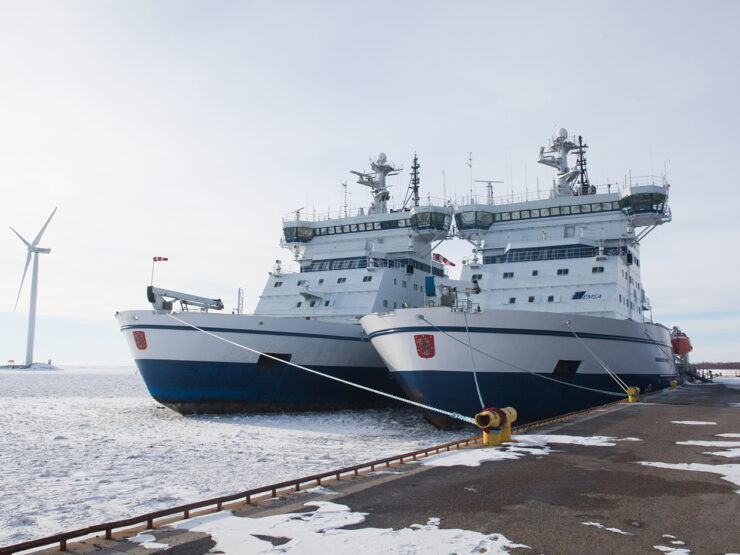
New project to examine the use of AI in shipping
AUTO-MARE project aims to develop framework for environmentally just, transparent, and accountable use of AI in shipping industry.
New funding to suport community-based green transition projects in the Arctic
The project aims at supporting fair, transparent, and locally accepted green transition projects in the Arctic region. The…
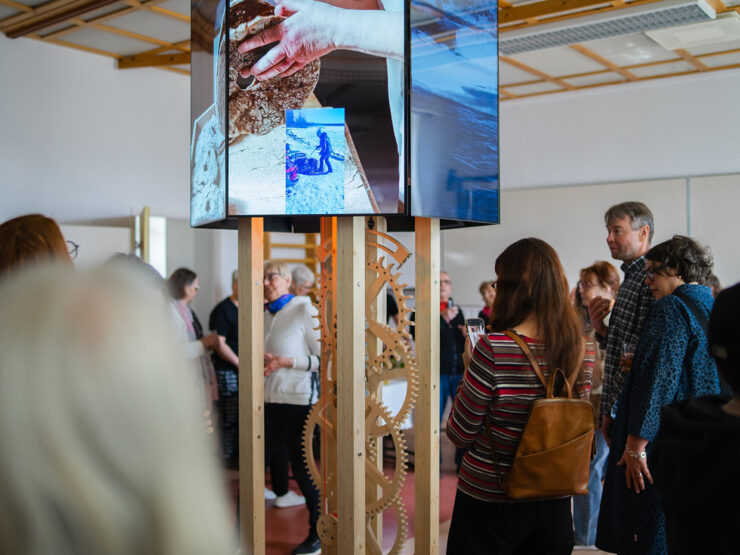
The World’s Most Valuable Clock preserves valuable moments of life
The World’s Most Valuable Clock is an artwork created as part of the Oulu2026 Climate Clock Project. Arctic…