
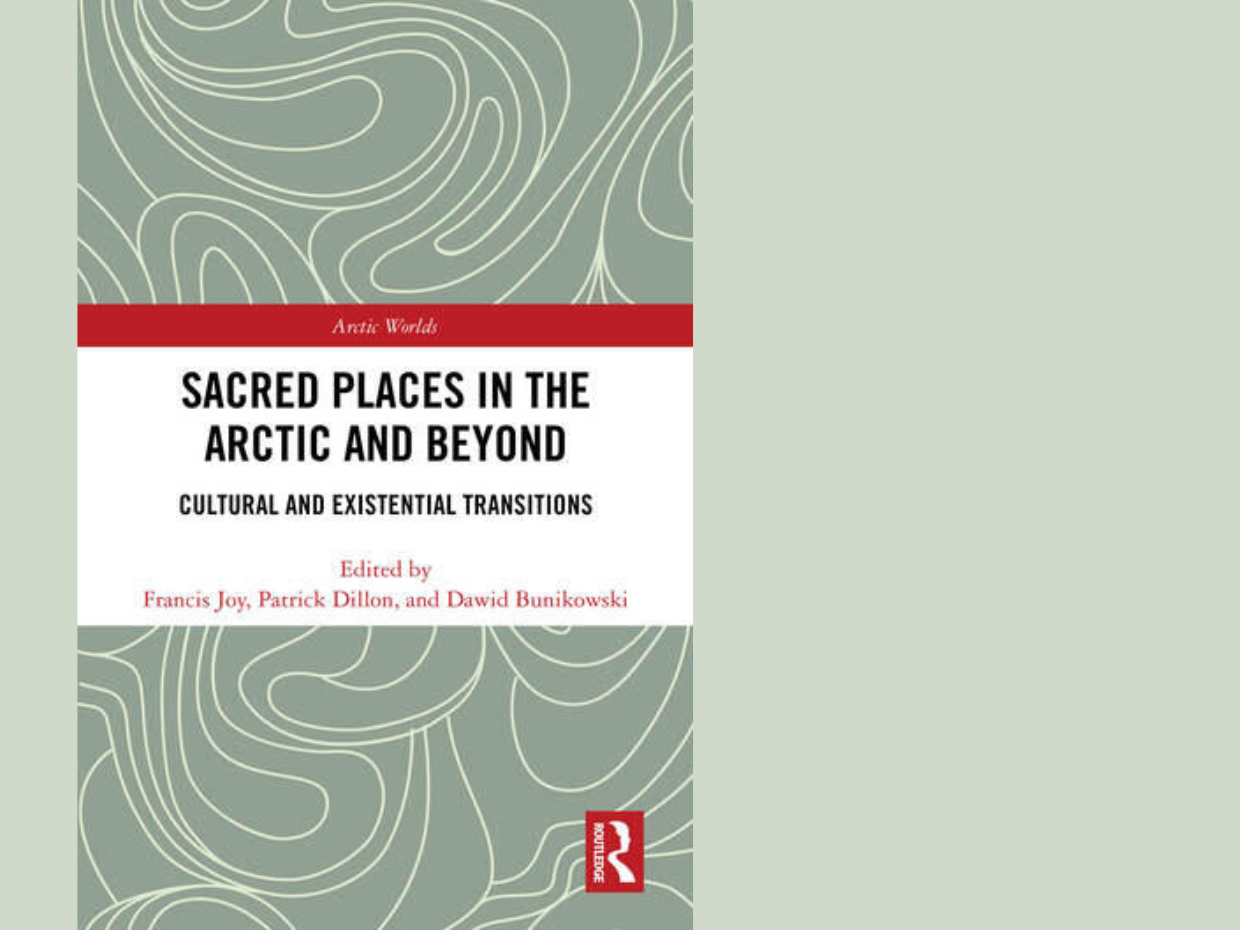
Sacred Places in the Arctic and Beyond, Cultural and Existential Transitions
New book explores the unique relationship between sacred places and their specific situational environments and the significance of spirituality, in a time of great transition, especially in the Arctic region.
The book seeks to answer the core questions of what makes a place sacred, why we ought to protect these places, who bears this responsibility and the imperative role legal frameworks entail. The book highlights how differently sacred places are experienced and described by indigenous people, underlining the problematization that arises when implementing Eurocentric discourse in managing sacred places.
The book is compiled using a multidisciplinary approach, through connecting the work of eleven different researchers with vastly different areas of expertise and research objectives. The contributors represent diverse backgrounds, including indigenous and non- indigenous people. The book consists of thirteen chapters divided into three parts including the Arctic, Broader Contexts and New Directions. The last section of the book strives to outline policy frameworks intended to be utilized in the future to combat challenges that are threatening sacred places, such as extractive mining and implications of the rapidly growing tourism industry in the Arctic.
It is edited by Francis Joy, Patrick Dillon and Dawid Bunikowski. Joy is Postdoctoral Researcher at the Arctic Centre, part of the Arctic Anthropology Research Team. Joy’s work can be found in the introduction of the book, Chapter 2 and Chapter 13.
The content of the book includes:
- Sacred Places in transition. An introduction and organisational framework based on cultural ecology and legal pluralism (written by: Patrick Dillon, Francis Joy and Dawid Bunikowski
Part One: The Arctic
- Mythical landscapes and sacred natural places in the Arctic North, their exploitation through tourism and inadequate protection, written by Francis Joy
- Relating to Place: Belonging, Identity and the Sámi People of Giron (Kiruna), Sweden, written by Åsa Andersson Martti
- Guided by the Aahka – Indigenous Art as a tool for relating with the Pluriversal reality of Sámi Cosmology, written by Hege Dalen
- The Nenets’ sacred places: the life story of the Singing Mountain Yangania Pe, written by Roza Laptander
Part Two: Broader Contexts
- Turtle Island Sacred Landscapes as Places of Radical Relationality and Doorways to Mystery, written by Melissa K. Nelson and Christopher ‘Toby’ McLeod
- Indigeneity and sacred lands in Pauline Melville’s The Ventriloquist’s Tale written by Romona Bennett
- Reconciling the ‘Sacred’ in State-protected Forests: Excerpts from the Mount Cameroon National Park in Sub-Saharan Africa, written by Ayonghe Akonwi Nebasifu
- Sacred places as Cultural Ecologies: The case of the Uffington White Horse in the English Chalklands, written by Patrick J. Dillon
Part Three: New Directions
- The linguistic complexity of cultural relativity: the idea of a sacred space, written by Phil Bayliss
- Legal pluralism, cultural ecology, and protection of sacred places, written by Dawid Bunikowski
- Beyond Borders: How U.S. and German Approaches to Religious Freedom Diverge on Indigenous Sacred Sites, written by René Kuppe
- Sacred Places. Cultural and existential transitions, written by Patrick Dillon, Dawid Bunikowski, Francis Joy and Phil Bayliss.
Book can be ordered here: Sacred Places in the Arctic and Beyond, Cultural and Existential Transitions
More news
All news
A new project focuses on the viability of volunteer work in northern regions
The importance of volunteer action for societal preparedness and resilience is growing amid global polycrisis. Current global challenges…
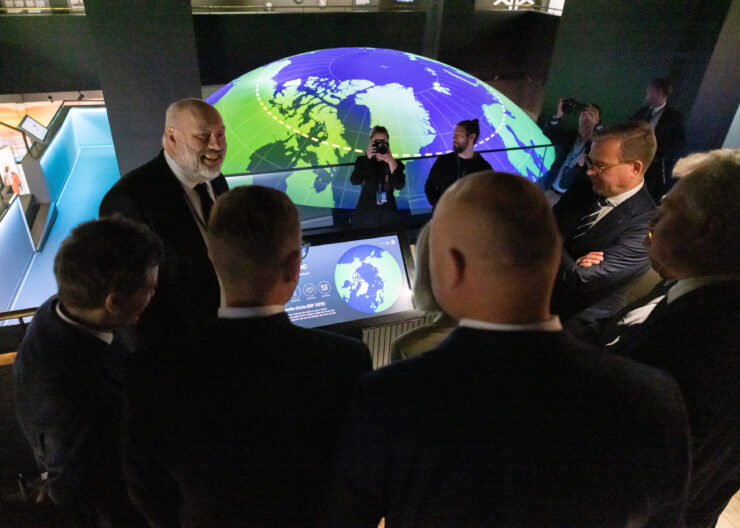
EU leaders visited Arktikum as a part of the European Arctic Summit held in Rovaniemi
The European Arctic Summit was held in Rovaniemi 13-14 September 2026, where EU leaders gathered to address issues…

Collaboration to find solutions for waste management in Arctic municipalities
Nadezhda Filimonova’s desire to use her research to bring tangible benefits to the residents of the Arctic led…