
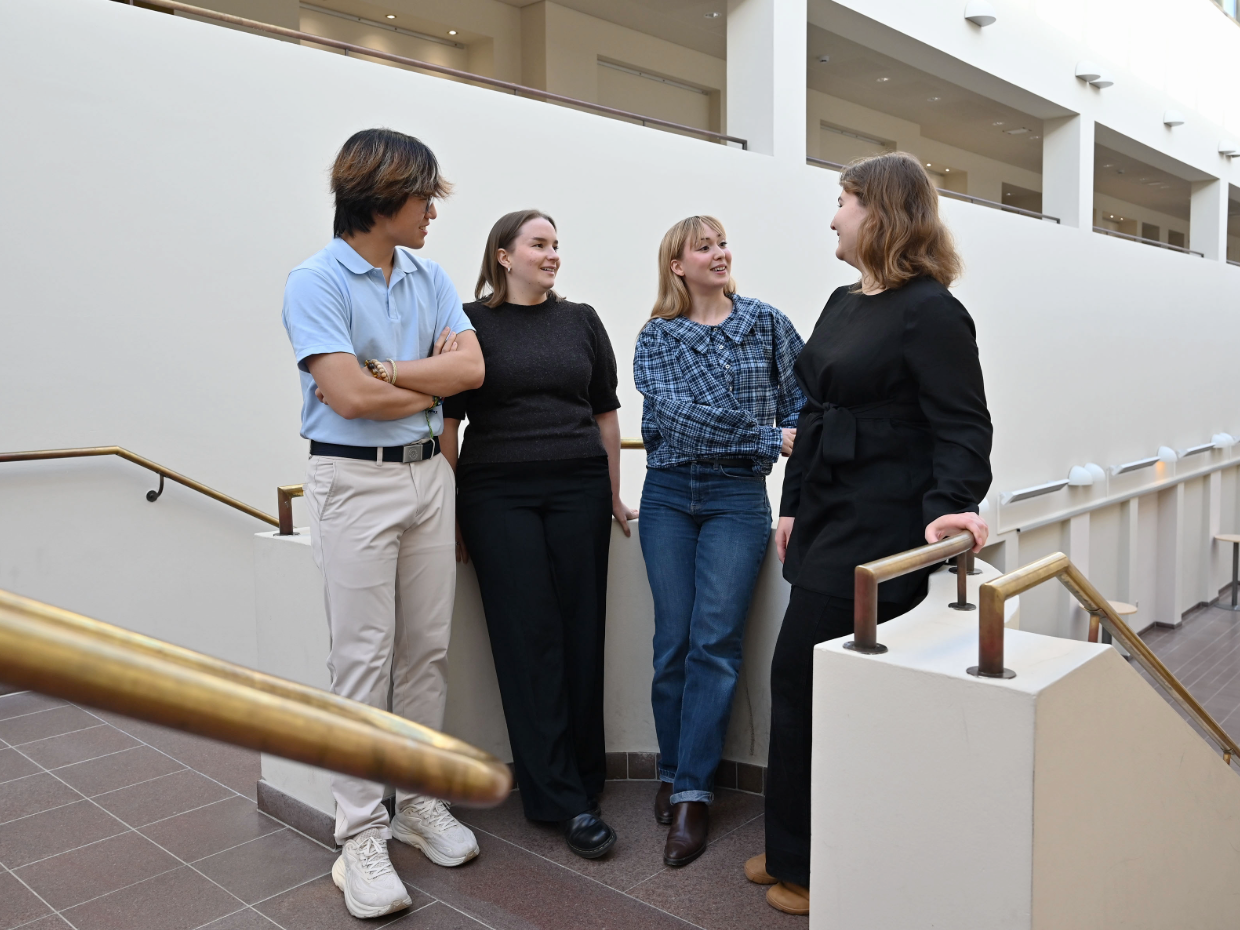
Students at the heart of Arctic research – interns share their experiences at the Arctic Centre
Internships can play a significant role in helping students gain work experience, develop their own areas of specialization, and improve their future employability. Arctic Centre offers students an opportunity to participate in the work around Arctic research during their internships.
Text: Asa-Marie Kultima
Pictures: Anne Raja-Hanhela and Asa-Marie Kultima
Each year, the Arctic Centre offers internship positions to students interested for instance in the Arctic region, an international working environment, and tasks related to communications and research. Tasks of interns may include assisting researchers with projects, organizing events and visits, and creating content for digital communication channels. Annually, the Arctic Centre hosts approximately ten interns, and the content and duration of these internships vary depending on university policies and the interns’ fields of study.
Consequently, internship tasks differ from one intern to another, often depending on the current research projects of their supervisors. This means that even students from the same field of study may have vastly different internship experiences. Interns at the Arctic Centre have come from various fields of study, such as international relations, anthropology, geography, communications, and political science. Much like the rest of the staff, interns come from different backgrounds: students arrive to complete their internships from within Finland, as well as from other parts of Europe and beyond.
Experiences of interns
What is it then like to complete an internship at the Arctic Centre? Answering to this questions are this autumn’s interns Levi, Ellen, and Asa-Marie (me, the author). You can learn more about our interns and their experiences at the Arctic Centre by exploring the menus below.
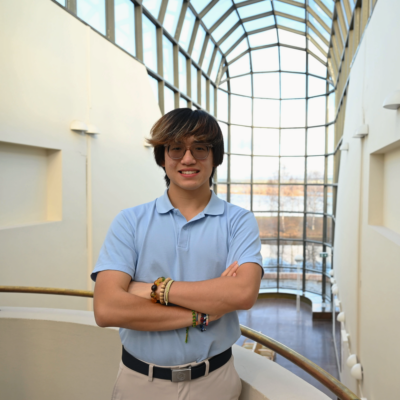 My name is Levi Li, and I have spent this past semester as an intern with the Arctic Governance team at the Arctic Centre. I’m visiting from the U.S., where I study Government and Geography with a focus on Public Policy at Dartmouth College, and I’m here in Rovaniemi through my university’s Institute of Arctic Studies.
I have always been passionate about environmental law and policy. Before coming here, I spent the summer in Washington, D.C. working on solar permitting, critical minerals, and agrivoltaics at the Solar Energy Industries Association. I wanted to bring an international perspective to that work, and Rovaniemi has been the perfect place to do that.
Since arriving in early September, I’ve been immersed in key issues such as climate governance, Indigenous rights, and Arctic geoengineering through various workshops and discussions. I’ve also enjoyed putting my geography background to practical use by creating custom maps for my team’s research projects.
The highlight of my time here has been working on the CRIMINA project, which explores the conflicts between Sámi reindeer husbandry and mineral extraction in the Nordic region. Based on this work, I authored an article titled “Hanging in the Balance: A Legal Analysis of Mining Development and Sámi Reindeer Herding as Competing National Interests in Northern Sweden,” which will be published in Current Developments in Arctic Law later this year. My paper examines how Swedish court decisions have historically prioritized mining development over Sámi reindeer herding, even though both hold similar legal status as national interests within the Swedish Environmental Code.
As I wrap up my internship in the upcoming weeks and return to Dartmouth, I am deeply grateful for the insights and mentorship I’ve gained here. This definitely won’t be my last time in Rovaniemi!
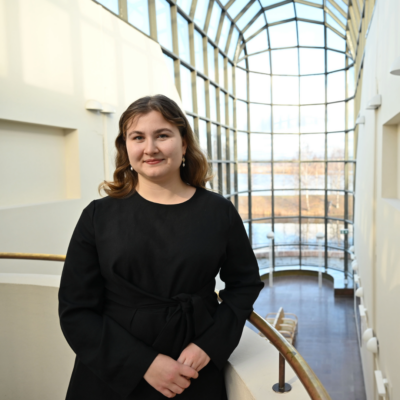 I’m Ellen, and I’m working at the Arctic Centre on the Post-Bothnia project analyzing EU’s fishing policy especially regards to wild salmon and herring in the Bothnian Bay and Gulf of Bothnia. I study in the Arctic World Politics Master’s programme at the University of Lapland.
I’m Finnish but I lived the last 10 years abroad in Belgium and the Netherlands. I decided to move back to Finland beginning of this year and the Master’s program I was most interested in was here at the University of Lapland in Rovaniemi. For me the Arctic was the unknown even though I’m Finnish and so it having become more relevant in world politics made me interested to find out how the Arctic really is. I knew I wasn’t interested in living in the Helsinki region again as I wanted to have a better work/study-life balance and I wanted new experiences and lots of nature so these factors together with the Arctic world politics master’s program, made Rovaniemi into a great option. So, I just decided to apply and see what happens. And I have been very happy with my decision to come here.
And then it was on my first week at uni when we had an introduction of Arktikum – both the museum and science centre and the Arctic Centre – and after learning about the work done here, I decided to try to get an internship. So, I just emailed my current supervisor if she knew any internship opportunities because I would be very interested and I had already experience as a research assistant from my previous university in the Netherlands. And that’s how I got this internship.
I started only few weeks ago, but I have already noticed how this internship has broadened not only my interests but also made me realize how different approaches are possible even in rigid structures like EU policies and I can’t wait to find out more about all the things I haven’t thought possible yet. And of course, this internship has made me understand EU policy and policy making in a whole other way and it has slowly started to make more sense how everything works. And everyone at the Arctic Centre has been so lovely and helpful and I think this is such a nice and welcoming community.
A big tip for anyone thinking of applying for an internship is to just ask even if you don’t see any openings. You never know if some projects are thinking of hiring an intern. So be brave and ask!
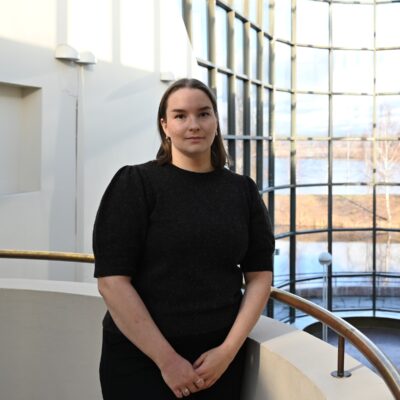 I’m Asa-Marie, and I am interning in the Science Communications Team of the Arctic Centre. I am a Master’s student in Politics at Tampere University with minor studies in international politics, journalism, communication, and language studies.
I am originally from Rovaniemi, and I moved back here last summer. I ended up interning at the Arctic Centre after noticing an open call for this position and successfully progressed through the selection process – funnily the interview took place the morning after my move. After getting the internship, I felt both excited and relieved – securing an internship in today’s world is not an easy job.
My tasks as science communication intern include for example photography and creating content for social media and the website. I have learned many new communication-related skills, such as website management and map visualization, which will certainly be useful in my studies and future career.
A particularly engaging aspect of the internship has been following the research conducted within the Arctic Centre’s various research programs and communicating about it both internally and externally—a task that also required me to delve into the research itself. During the autumn, Arktikum has hosted two major political events: the European Arctic Summit and a state visit by the King and Queen of Spain and the President of Finland and the First Lady. It was fascinating to observe closely the preparations and execution of these events. As someone born and raised in Rovaniemi, I have also found it meaningful to participate in the work of the Arctic Centre, as the Centre highlights northern perspectives—both within the scientific community and in society at large.
All in all, this internship has been an interesting and educational experience! My advice for other students seeking an internship would be to highlight in the applications the skills you have acquired not only from your studies, and to bravely get in touch with actors whose work you are interested in.
The significance of internships for students
While an internship is not a mandatory part of every student’s study plan, completing also a voluntary one offers a valuable opportunity. It allows students to gain their first work experience in their field, establish important new contacts outside their immediate student circles, and develop essential workplace skills that cannot necessarily be acquired only by attending lectures.
However, securing an internship is often more challenging than one might hope. For instance, the Finnish Broadcasting Company Yle and a Finnish newspaper Helsingin Sanomat have reported on the difficulties in securing internships and the unemployment faced by individuals with higher education degrees in Finland. Furthermore, the Finnish National Youth Council and Youth Sector has stated that difficulties encountered at the start of one’s career can have long-term consequences for future income and career progression.
The employability of young people is further complicated by the generally difficult employment situation in Finland, where young people at the start of their careers find it increasingly challenging to cope with intensifying competition for jobs. This is entirely understandable: it is naturally harder for a young person with not much previous work experience to secure a position than it is for someone who already has experience in the field. Students are undoubtedly reflecting on both how to secure internship in their field, and what the future prospects look like for their field and career.
However, a glimmer of hope can emerge through stories and social media posts by fellow-students about successful internship searches and experiences. On the other hand, it can be comforting to know that you are not the only one to receive an email response stating that there were hundreds of applicants and that, “unfortunately, you were not selected this time”.
The purpose of this article was share thoughts—both my own and those of other interns at the Arctic Centre this autumn—regarding our internship experiences. In summary, the interns emphasized the importance of reaching out personally for an internship, as well as recognizing and highlighting one’s own skills during the application process. Perhaps these stories can also serve as inspiration for other students who are considering to complete an internship.
More news
All news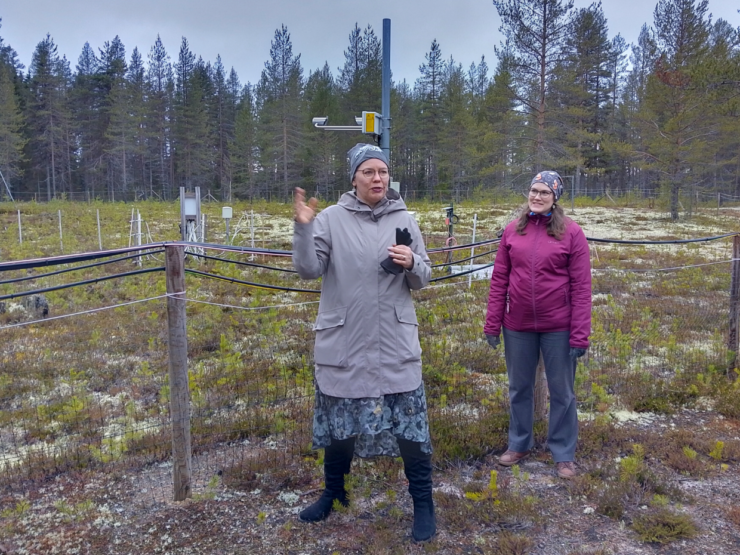
The snow season in Finland has begun: the National Snow Seminar in Sodankylä explored the role of snow in a changing climate
The snow season in Finland was declared open on Thursday, 29 October 2026, at the National Snow Seminar…
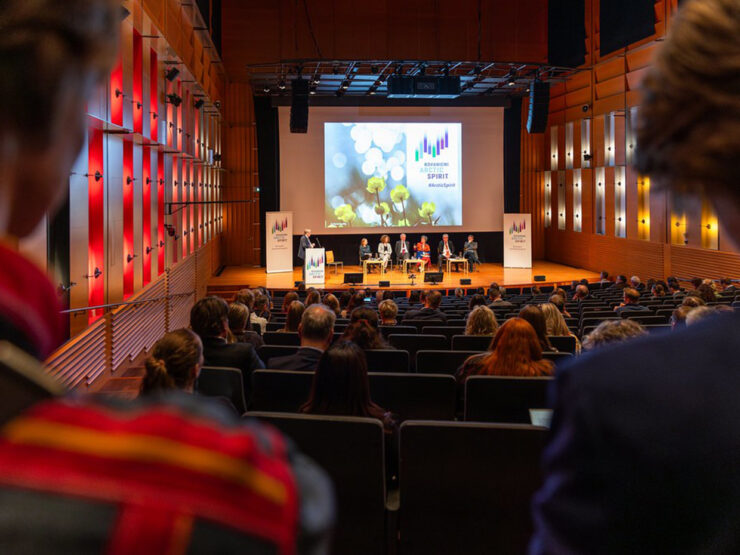
Call for Session Proposals for the Rovaniemi Arctic Spirit Conference 2027 is now open
We welcome proposals for sessions to be held during the Rovaniemi Arctic Spirit Conference which takes place in…
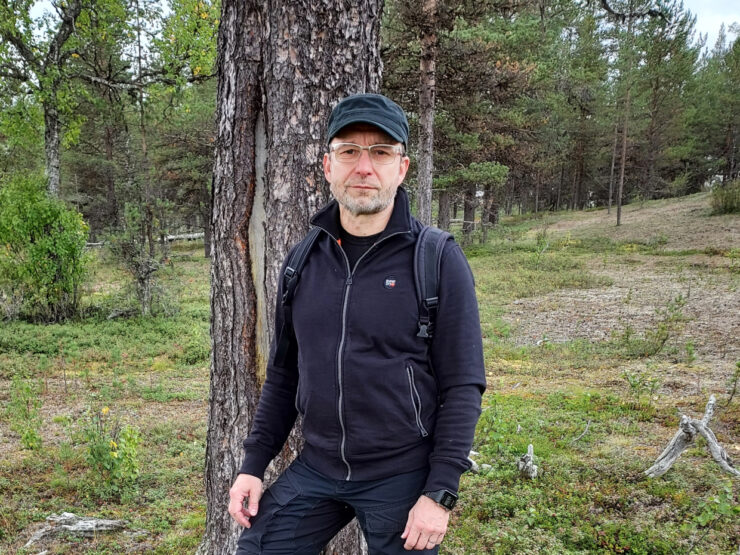
Pasi Rautio appointed as a new Professor and the Director of the Arctic Centre
Doctor of Philosophy and Adjunct Professor Pasi Rautio has been appointed for the position of Professor in Arctic…