
The snow season in Finland has begun: the National Snow Seminar in Sodankylä explored the role of snow in a changing climate
The snow season in Finland was declared open on Thursday, 29 October 2026, at the National Snow Seminar held in Sodankylä.
The first snow of the approaching winter did not fall in Lapland, but rather in the Kainuu region, in northeastern Finland. In much of the country, a lasting snow cover is likely still a long way off. Nevertheless, the snow season has been declared open in connection with the National Snow Seminar. The declaration marking the start of the snow season (text below) also encourages citizens to observation of snow.
The 14th National Snow Seminar (Pyryn päivä) was held on October 29–30, 2026, at the Finnish Meteorological Institute’s Arctic Space Centre in Sodankylä. The seminar was organized by the Finnish Meteorological Institute in collaboration with the Finnish Environment Institute (SYKE), as well as the universities of Lapland and Oulu.
The theme of the seminar was “snow in a changing climate.” The event brought together researchers, artists, and individuals who engage with snow through various professional and practical lenses. A panel discussion brought together, for instance, the perspectives from reindeer herding and climate research regarding the observation of snow. Topics ranged from snow as a water resource and the production and storage of snow, to snow as a societal phenomenon. Although it was a national seminar on snow, also international colleagues attended the seminar, and discussions regarding snow took place in both Finnish and English.
Over the years, the National Snow Seminar has grown into an event that brings together diverse perspectives and generations of researchers. This year, too, the gathering included both young and more experienced professionals in the field: in his keynote address, Matti Leppäranta, Professor Emeritus at the University of Helsinki, shared memories from his long career.
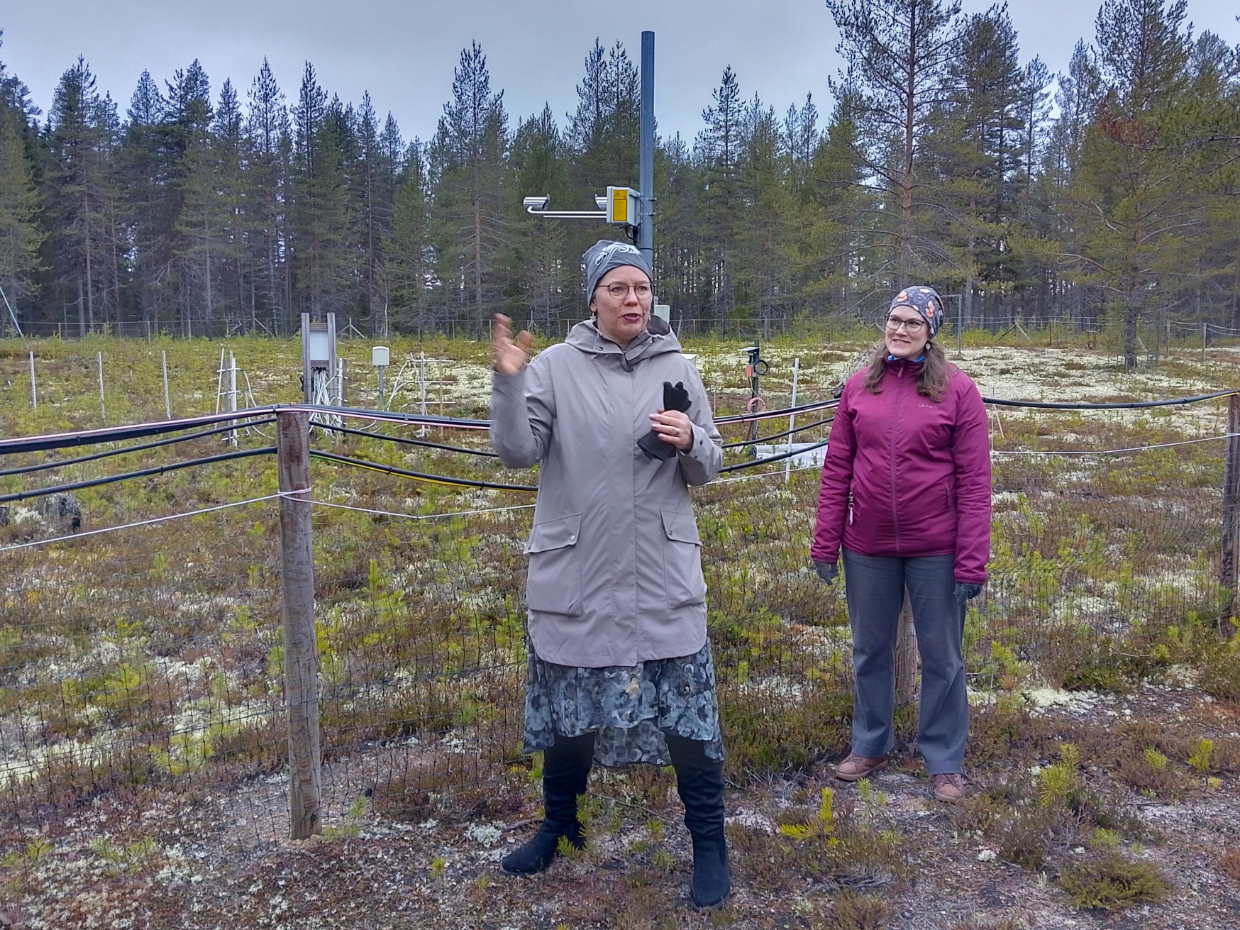
For the first time, the seminar was held in Sodankylä. The location also gave participants the opportunity to explore the observational activities of the Arctic Space Centre. In the coming years, the event will return to the Helsinki metropolitan area region where snow is becoming an increasingly rare visitor in a changing climate.
Citizens can submit their own snow observations through platforms such as the Talviseuranta (Winter Monitoring) website, which offers a wealth of resources, including materials for schools.
You can submit an observation directly via this link: Talviseurantalähetti
Declaration of the Opening of the Snow Season
“Distinguished residents of and visitors to Finland—friends of the snow. Sunday marks the name day of ‘Pyry’ [a Finnish name derived from the word for a snowstorm]. As of today, we declare the snow season in Finland officially open.
Finland is a long country. The snow season typically begins in the north in October, and in the south during December or January—though the first snowfall often arrives earlier. In the south, the snow generally melts by March, while in the north, it persists until May or June. Along the coast and in the archipelago, a distinct, sustained snow season does not necessarily occur every winter. In the fells, the snow lingers longer; patches of snow can be found even in the summer, and snowfall is possible even in the middle of summer.
For much of the year, snow serves as a habitat for Finland’s plants and animals. While it influences how animals move and forage, it most often acts as a protective blanket against the winter cold. The snow cover—and its specific characteristics—shapes our society, daily life, and nearly all industries. Finns are accustomed to snow, and it has profoundly influenced our culture, customs, and language.
Snow is a major asset for Finnish tourism and a source of wonder for visitors. People of all ages look forward to the first snowfall and rejoice when it arrives. Snow brings light to the dark polar winter. On the other hand, snow can also cause various inconveniences, particularly in traffic.
The climate of the North is changing. This implies shifts in snow conditions. Finnish knowledge regarding snow must not be forgotten; traditional know-how and insight can help us adapt to changes. In a changing world, we need more snow-related information—and of a new kind.
Snow depth and mass are measured at observation stations, while satellites provide data on the extent of the snow cover and its water equivalent. Yet, surprisingly little is known about the amount of snow in different locations or about the quality of the snow. How much snow lies on the ice of our lakes? How much does snow depth vary across the landscape? Is the snow icy? Making such observations is easy. School classes, ski trekkers, reindeer herders, and many others can make simple but valuable snow observations.
We—snow researchers from the Finnish Meteorological Institute, the Finnish Environment Institute, the University of Oulu, and the Arctic Centre at the University of Lapland, along with the team from the Finnish Nature League—invite everyone to join us this winter in observing snow. Please make observations in the environments you know well—where you live, work, or spend your time.
Let us enjoy the beauty of the snow together, engage in snow-based play and physical activity, and find refreshment in the snowy outdoors.
Finally, we wish everyone a joyful winter!”
In Sodankylä, in conjunction with the National Snow Seminar, October 29, 2026
More news
All news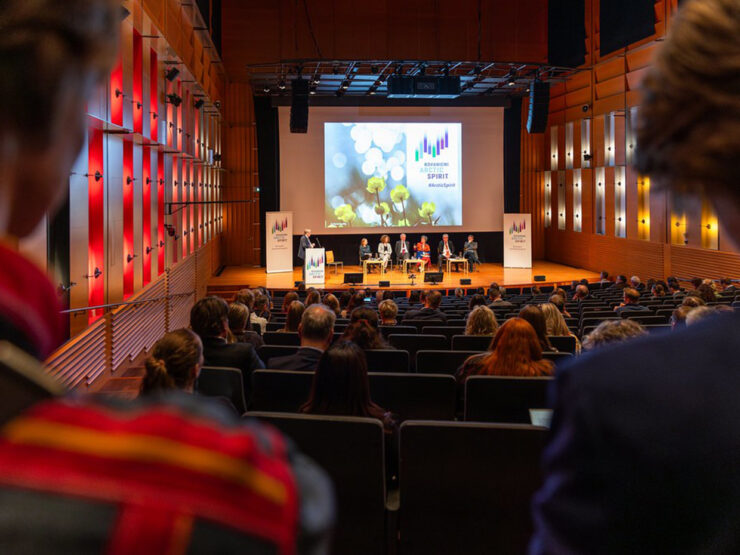
Call for Session Proposals for the Rovaniemi Arctic Spirit Conference 2027 is now open
We welcome proposals for sessions to be held during the Rovaniemi Arctic Spirit Conference which takes place in…
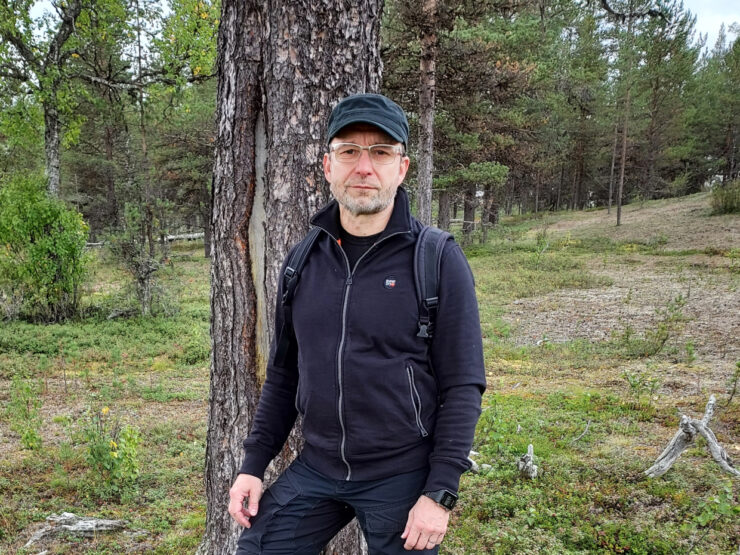
Pasi Rautio appointed as a new Professor and the Director of the Arctic Centre
Doctor of Philosophy and Adjunct Professor Pasi Rautio has been appointed for the position of Professor in Arctic…
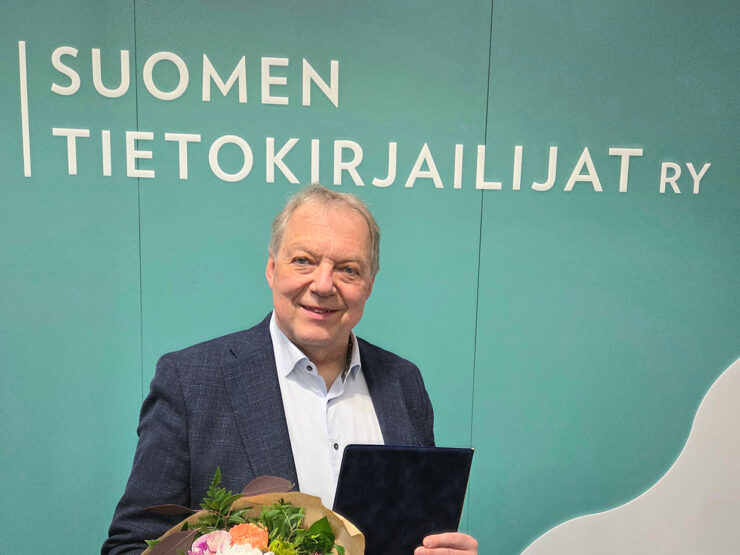
Nonfiction writers’ award for Markku Heikkilä
Head of science communications at the Arctic Centre, University of Lapland Markku Heikkilä is one of the recipients…