
Siran Liang
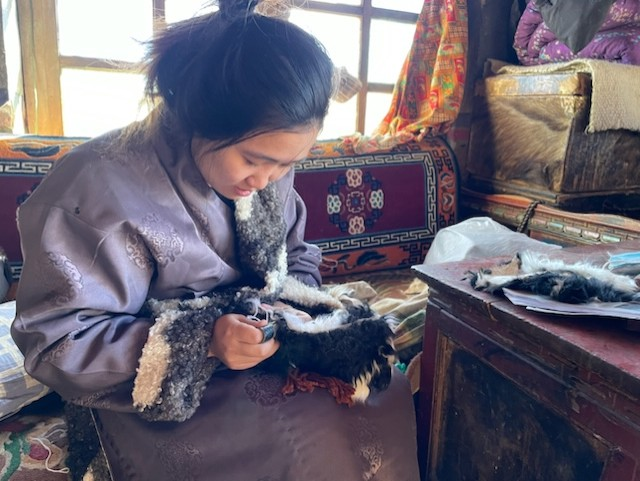
Siran Liang is an anthropologist who has followed and eaten caterpillar fungi (cordyceps) and yaks on the Tibetan Plateau. Previously, she studied in Shanghai, Heidelberg and New Delhi. Her PhD, completed at TU Braunschweig, Germany, was rooted on the Tibetan Plateau, where she lived with yak herding families, chatted with environmentalists, collaborated with environmental scientists, and drank with government officials. She is interested in human-nonhuman relationships, political ecologies and interdisciplinary environmental research – particularly when scientists’ observations seem to contradict yak herders’. She prefers to drink yak butter tea over coffee in high-altitude environment, because the latter nearly gave her a heart attack. She is currently unemployed whilst writing this bio but is praying to update her employment status soon, hopefully before the start of the conference.
David G. Anderson
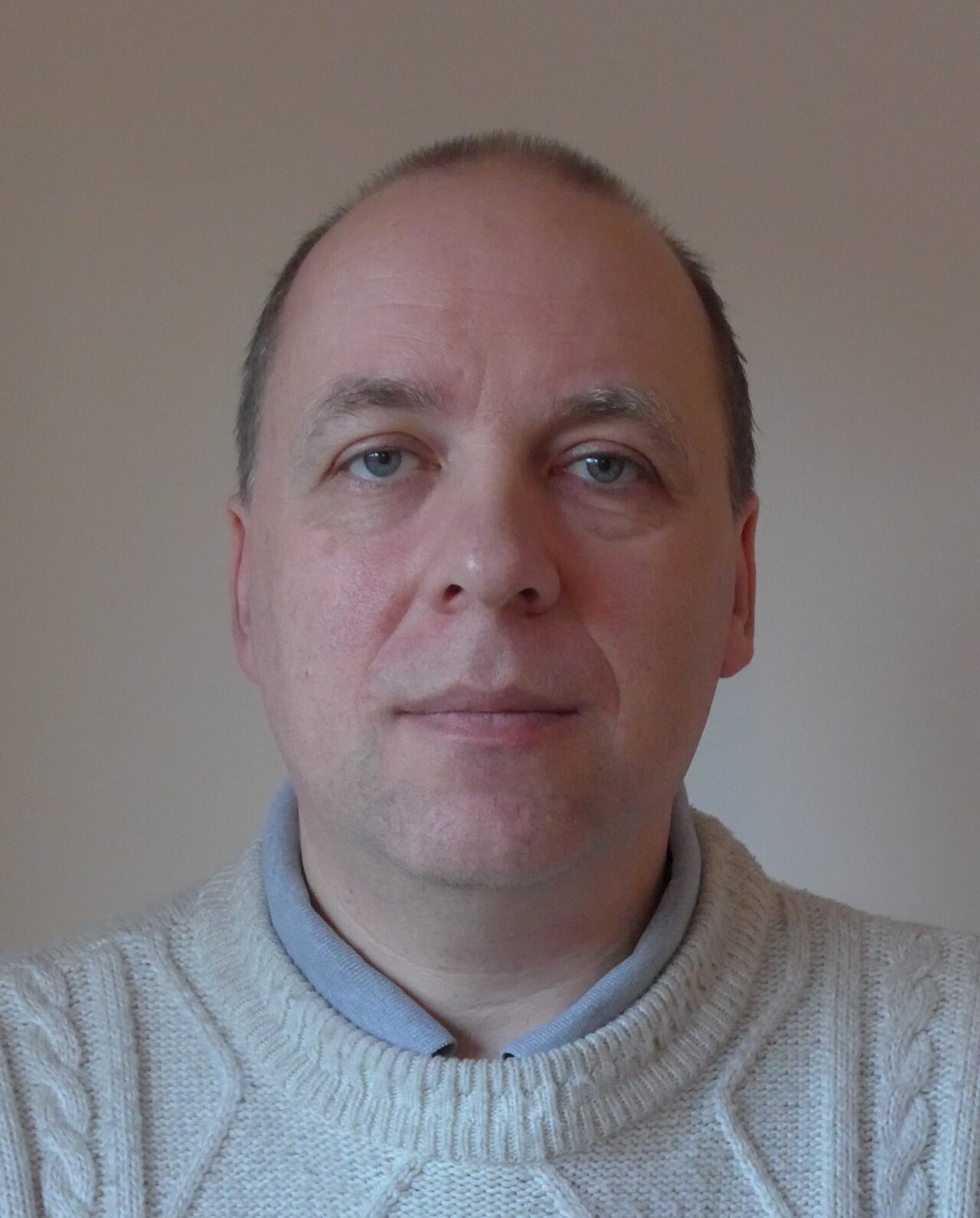
David G. Anderson is an anthropologist working with communities across the circumpolar North. He is originally Canadian, and grew up in Northern Alberta. He holds degrees in Politics with Sociology (Carleton U), Sociology (UWisc-Madison), and Social Anthropology (Cambridge). He started working in the circumpolar North as a technician at the Ft.McPherson Language Centre in the Gwich’in Settlement Area. His reading and fieldwork for the Masters and PhD was with Evenki people first in Zabaikal’e and later in Taimyr and the Evenki Autonomous Area. Since that time he has also worked with communities in Iamal, and in Northern Norway. He has been based at the University of Aberdeen since 2000, and was appointed Chair in the Anthropology of the North in 2013 and as UArctic Research Chair in 2023. He researches and publishes in a wide number of areas: ethnography, ethnohistory, archaeology, Rangifer genetics, and political ecology.
Chris Johnson
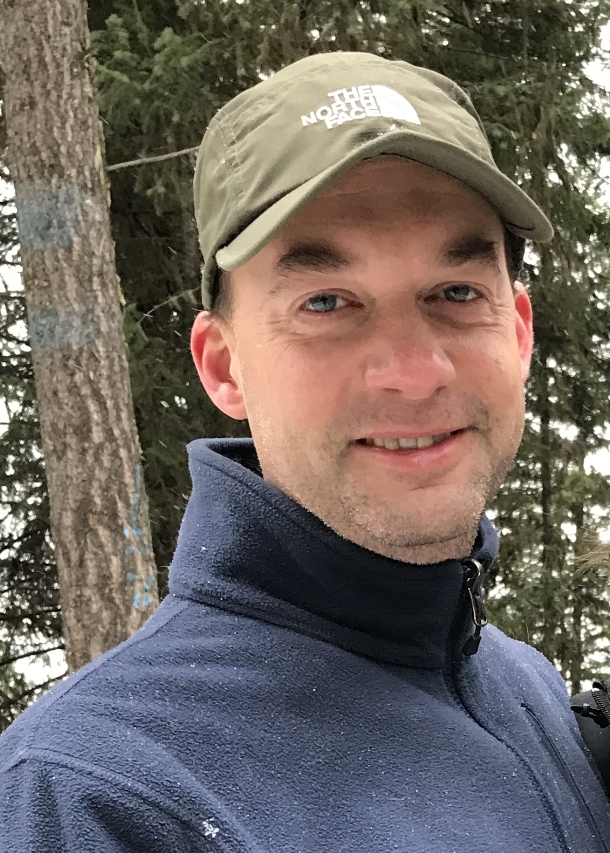
Chris Johnson is a professor in wildlife ecology at the University of Northern British Columbia where he teaches courses in conservation biology, population and community ecology, natural resources planning, and science communication. Most of his career has focused on understanding the relationships between human activities and the distribution, abundance, and community interactions of a variety of mid-sized and large terrestrial mammals. Beginning with his PhD, he has studied and advocated for the conservation of woodland and barren-ground caribou for over 30 years. That research and outreach was made possible through close partnerships with agencies and colleagues from across Canada. He has served on public and regulatory committees that consider the professional practice of applied biology, ecologically centred forest management, and the assessment or recovery of species at risk. Currently, Chris is the chair elect for the Committee on the Status of Endangered Wildlife in Canada (COSEWIC).
Anna Skarin
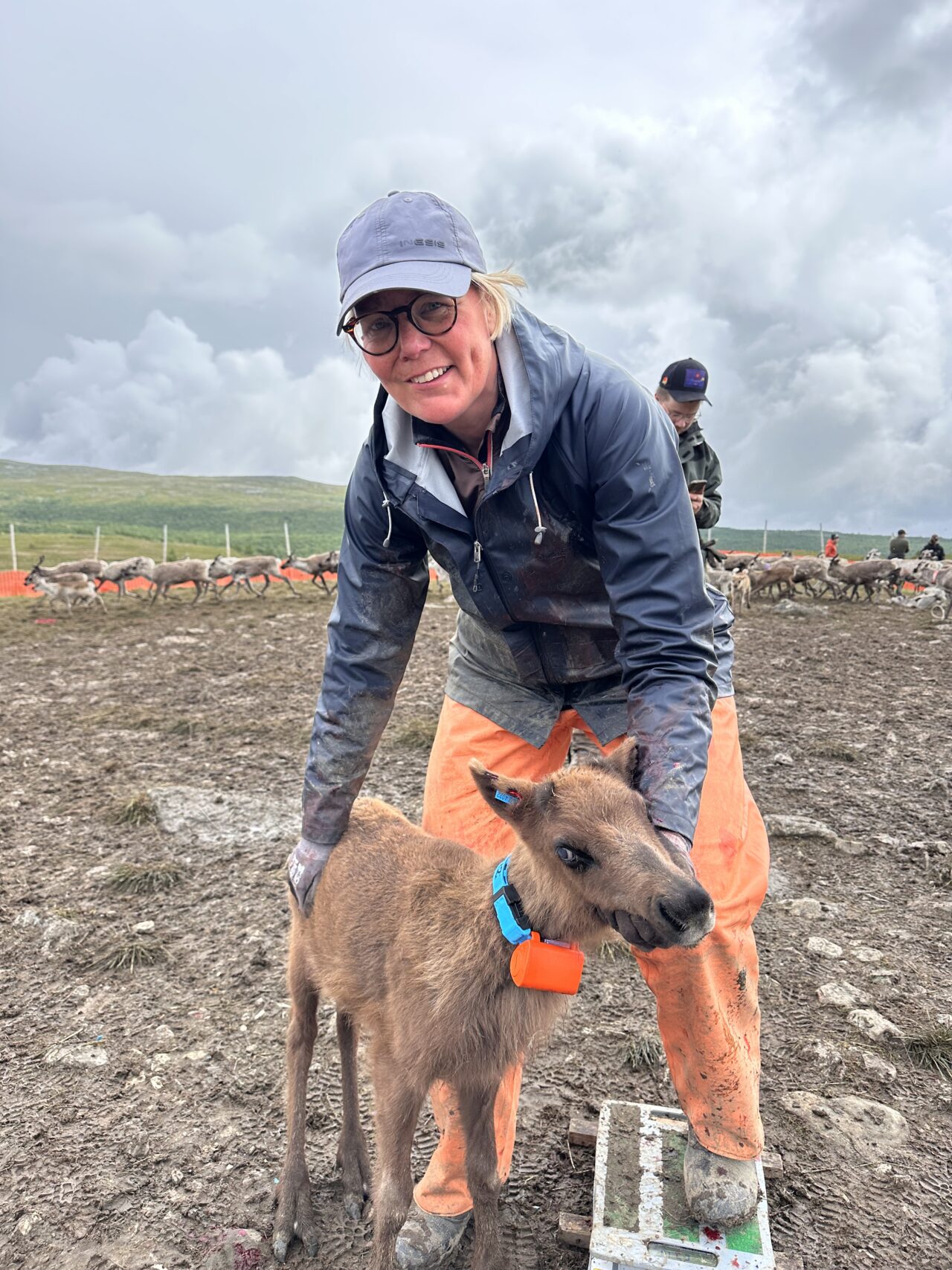
Anna Skarin’s fascination with reindeer began while studying ecology at Samernas Folkhögskola in Jokkmokk, where she first encountered Sámi reindeer husbandry. This experience inspired a lifelong dedication to the field. She earned her PhD in Animal Science from the Swedish University of Agricultural Sciences (SLU) in 2006, studying reindeer movements in alpine landscapes. During her postdoctoral research, she investigated how competing land uses, including wind power, affect reindeer and reindeer husbandry, as well as interactions between reindeer and predators. Today, her research focuses on the factors shaping reindeer movement, health and land use, and their implications for sustainable production on natural pastures. She works closely with reindeer herding communities, using a co-production of knowledge approach to document the impacts on reindeer habitat use, health and survival. She has also studied how habitat selection by reindeer and free-ranging horses influences landscapes and biodiversity. Since 2021, she is Professor in Reindeer Husbandry at SLU.
Jouko Kumpula
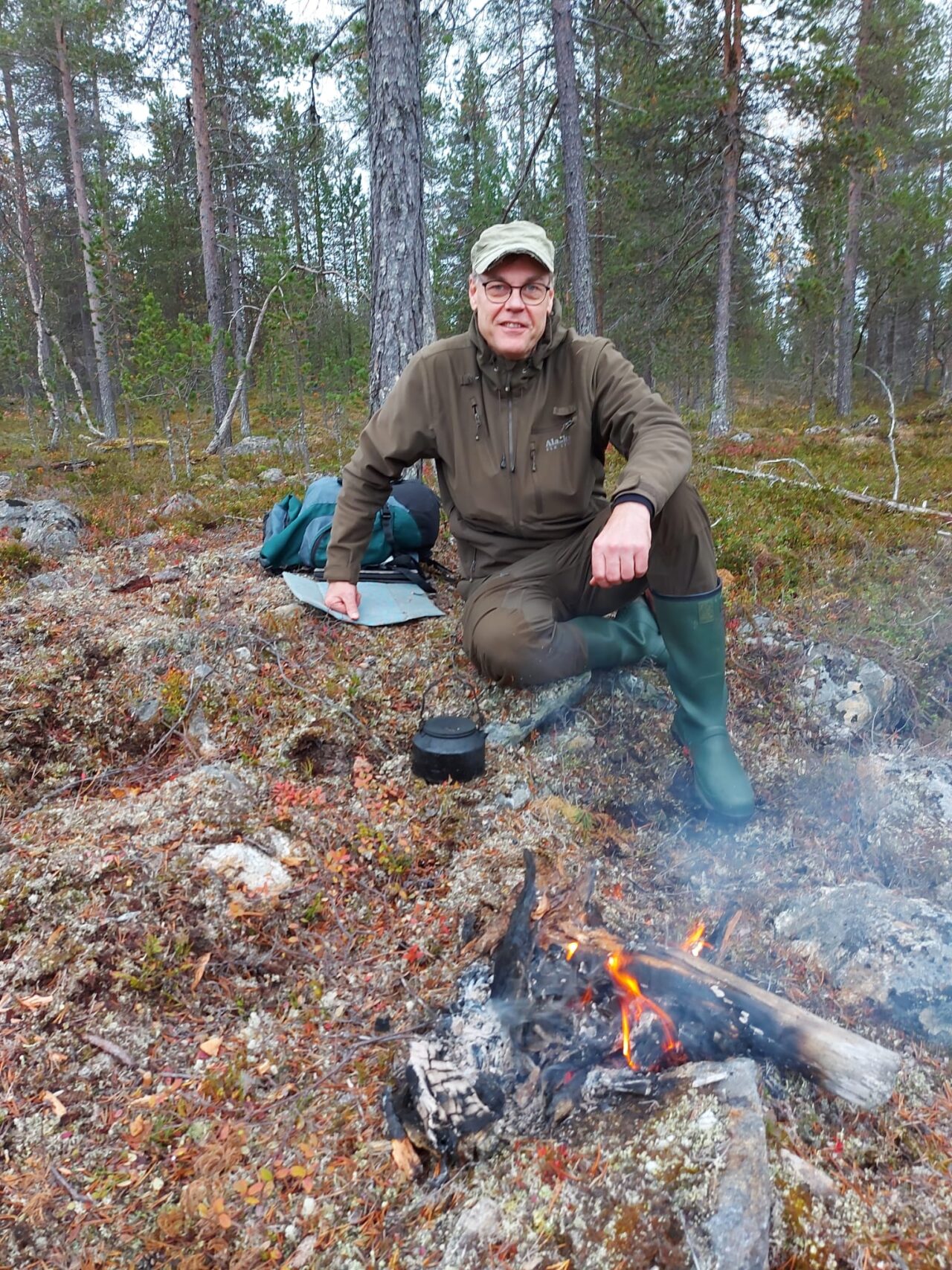
Ph.D, Docent Jouko Kumpula is working as a senior scientist in at the Natural Resources Institute Finland (Luke). Kumpula has long-term experience in research subjects handling changes in the semi-domesticated reindeer herding systems and its pasture environment. He has studied effects of grazing and land use on the amount, quality and usability of reindeer pastures and how the different changes in the pasture environment affect the reindeer herding livelihood. He has studied reproduction, survival, and productivity of reindeer as well as food accession and pasture use by reindeer. He has also led the repeated reindeer pasture inventory, where the state of pastures has been evaluated and causes for the changes in quality of pastures have been analyzed. He has also participated in the bio-economic modelling work where effects of different factors and mechanisms on the state of pastures as well as on the productivity and profitability of reindeer herding have been analysed.