
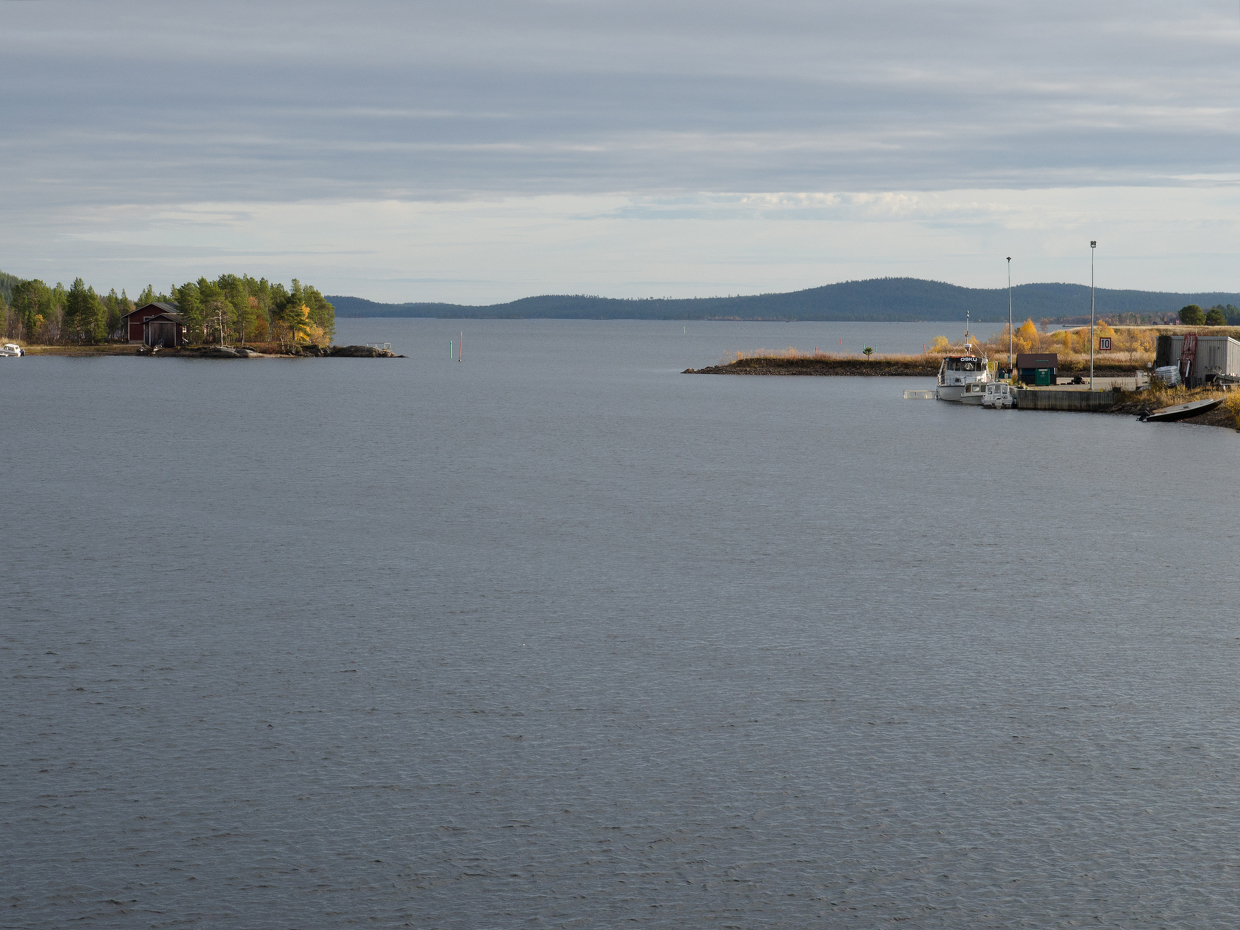
Commercial fishers are adapting to the changes brought by climate warming
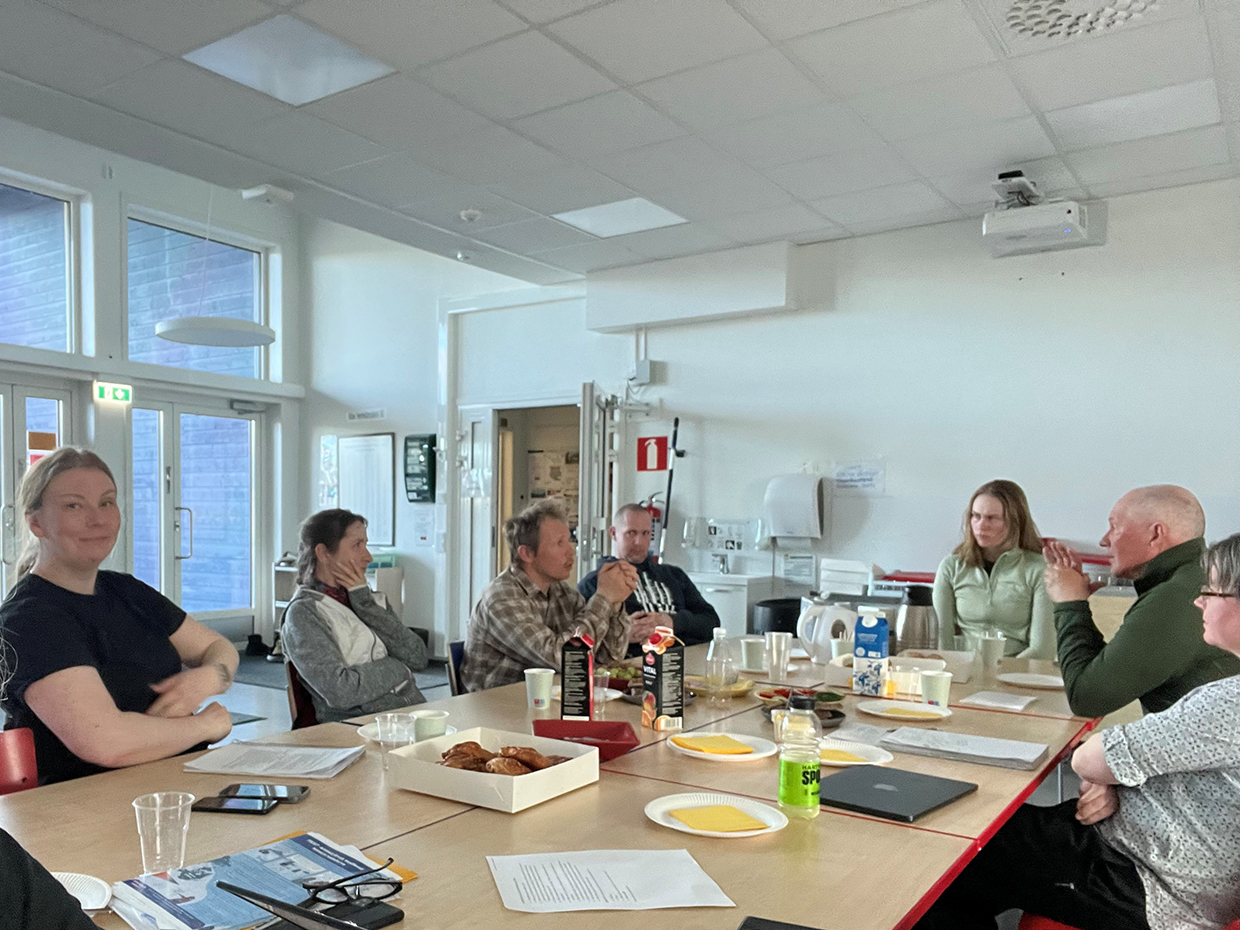
In early May, researchers organized a workshop in Vuotso on commercial fishing, climate change, and adaptation.
Researchers of the Arctic Centre, University of Lapland organized a workshop in the village of Vuotso where researchers and fishers came together. During the event, the latest research findings on the region’s changing climate as well as updates on the projects’ work were presented. The main focus, however, was on fishers’ local knowledge and discussions.
Commercial fishers shared they views how climate change and other changes in their operating environment are affecting their daily lives, and what their practical approaches to adapting to these changes look like.
In the fishers’ view, the Lokka and Porttipahta reservoirs are unique bodies of water that cannot be compared to any other. In these reservoirs, the fishing environment and the habitat of fish species change and vary rapidly. Workshop participants emphasized that the fish come from clean natural waters and taste good, even though they grow in a reservoir. Among other things, climate change is a concern for fishers, and whether whitefish will adapt to warmer water, or whether the only option will be for Lokka and Porttipahta to have only spring-spawning fish, such as pike and perch.
How to ensure a livelihood?
In the workshop it was also discussed how to maximize income from the industry and what the future of fishing looks like in reservoirs.
According to workshop participants, it would be ideal if conditions could be predicted a full year in advance, making it easier to prepare. However, one must adapt to whatever comes. “The only constant is change,” was a sentiment echoed by many. The fishers also emphasized that it is a great advantage that five species of fish can be caught in the reservoirs. If one species’ population collapses, it can be offset by catching other species.
From the perspective of business continuity, it appears that there is no rush to enter commercial fishing, but there is steady interest nonetheless. It’s not easy to get started in commercial fishing – it requires passion and expertise.
“You shouldn’t become a professional fisher just for the romance of it,” the participants reminded.
However, there is now better support available than ever before to help new fishers get started. For example, part-time commercial fishing is a good fit for reindeer herders.
The workshop concluded that domestically caught fish is extremely important for security of supply. Fish grow for free, reproduce naturally, do not require feeding, involve low investment costs, and do not require fertilizers, for example. In the event of a crisis, inland fishers could feed a significant portion of the population. However, security of supply should be put to the test to ensure real preparedness in the event of a crisis.
The workshop was organized by Sirpa Rasmus, Minna Turunen, Hannah Strauss-Mazzullo and Helena Syrjänen from the Arctic Centre at the University of Lapland, representing the FROST and ECOFI II projects. Sanna-Mari Suopajärvi, representing the MountResilience project, also participated in the workshop.
More news
All news
Leena Leppänen has been awarded the title of Docent at the Arctic Centre
Leena Leppänen, Doctor of Philosophy, has been awarded the title of Docent at the Arctic Centre of the…

H.M. King of Spain and the President of the Republic of Finland with their spouses visited the University of Lapland and Arktikum
Their Majesties King Felipe VI and Queen Letizia of Spain and the President of the Republic of Finland…
A new publication examines the cumulative impacts of the green transition on traditional Sámi livelihoods
In Nordic cooperation made report "Towards understanding and managing cumulative impacts in Sápmi: approaches & collaboration – Workshop…